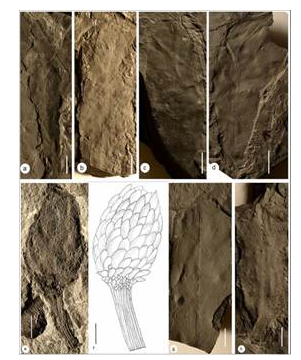
Scientists observed well-preserved fossilised flora, including ancient plant species that thrived in swampy, waterlogged environments. Such discoveries provide crucial evidence about past climatic conditions and continental configurations, when the Indian landmass was part of the southern supercontinent Gondwana.
Researchers noted that the coal-bearing strata of eastern India serve as a geological archive, enabling the reconstruction of prehistoric biodiversity and climate patterns. The study contributes to a better understanding of long-term environmental and evolutionary changes.
Experts have emphasised that continued scientific exploration of coalfield regions will further strengthen knowledge of India’s palaeobotanical heritage and its role in global geological history. The findings underscore the importance of integrating scientific research with sustainable resource management practices in mineral-rich states such as Jharkhand.