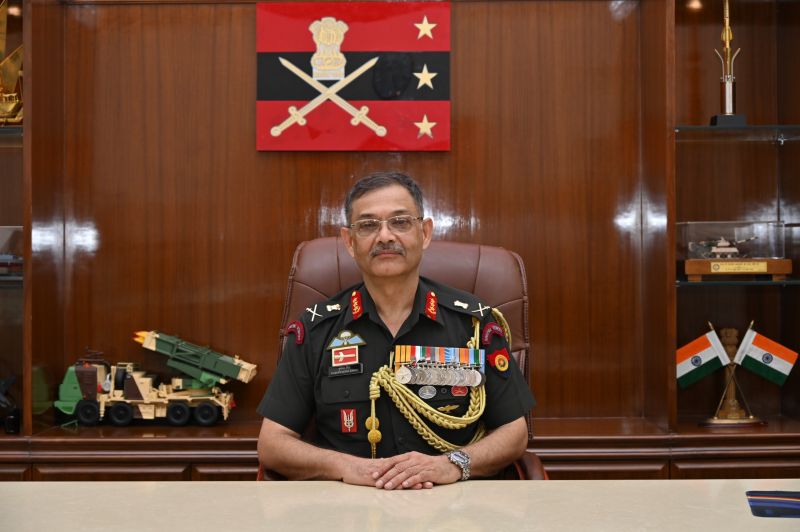
Lieutenant General Pushpendra Singh assumed the appointment of the Vice Chief of the Army Staff on 31 July 2025. The General Officer was tenanting the appointment of Director General Operational Logistics & Strategic Movement at Army Headquarters. The General Officer was commissioned into 4th Battalion, The Parachute regiment (Special Forces) in December 1987. He is an alumnus of La’ Martiniere College, Lucknow, Lucknow University and the prestigious Indian Military Academy, Dehradun. The General Officer has served in ‘OP PAWAN’, ‘OP MEGHDOOT’, ‘OP ORCHID’ and has had multiple tenures in ‘OP…
Read MoreDay: 2 August 2025
Indian Navy Gets New Vice Chief
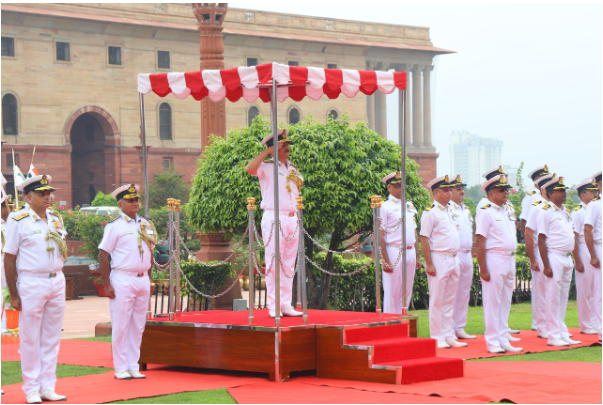
Vice Admiral Sanjay Vatsayan, AVSM, NM assumed charge as the 47th Vice Chief of the Naval Staff (VCNS) on August 1, 2025, succeeding Vice Admiral Sanjay Jasjit Singh. The change of leadership marks a significant step in the Navy’s ongoing modernization and strategic development efforts. A highly decorated officer with over three decades of distinguished service, Vice Admiral Vatsayan is a specialist in Gunnery and Missile Warfare and has held numerous key operational and policy-making positions. He is an alumnus of the National Defence Academy (71st course) and was…
Read MoreScientists Discover Revolutionary Therapy to Reverse Liver Cirrhosis
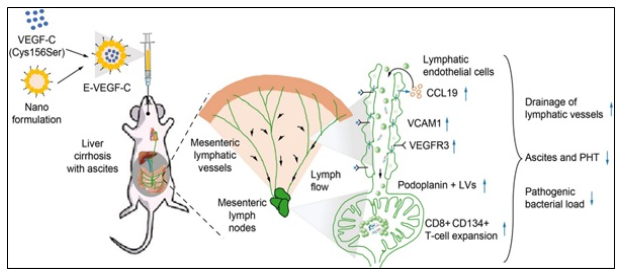
A team of Indian scientists may have found a way to improve the drainage capacity of lymphatic vessels in the liver and intestine that fails in case of cirrhosis, by using nanocarriers filled with a powerful protein called VEGF-C. Chronic liver disease can progress from mild disease to fibrosis to cirrhosis. Patients with advanced cirrhosis often develop decompensation with complications like fluid accumulation in the abdomen (ascites). Cirrhosis is accompanied by distortion of both blood and lymphatic vessels in the liver and intestine. The lymphatic vessels run parallel to the…
Read MoreIndian scientist studied the Toxic Clouds emanating from the Himalayas
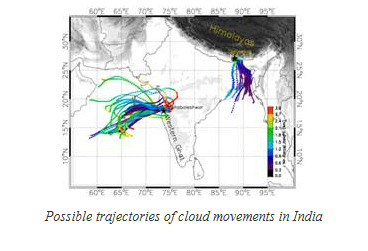
louds drifting across the lofty heights of the Himalayas are carrying toxic heavy metals, putting mountain communities and downstream populations at risk, according to new research from the Indian Institute of Technology Mandi and European partners. Scientists collected “cloud water” samples near the Kangchenjunga massif at elevations above 4,000 m. Analysis showed concentrations of lead (Pb), arsenic (As), cadmium (Cd), nickel (Ni) and mercury (Hg) up to five times higher than World Health Organization guidelines for safe drinking water. Levels peaked during the pre-monsoon and post-monsoon periods, coinciding with…
Read More